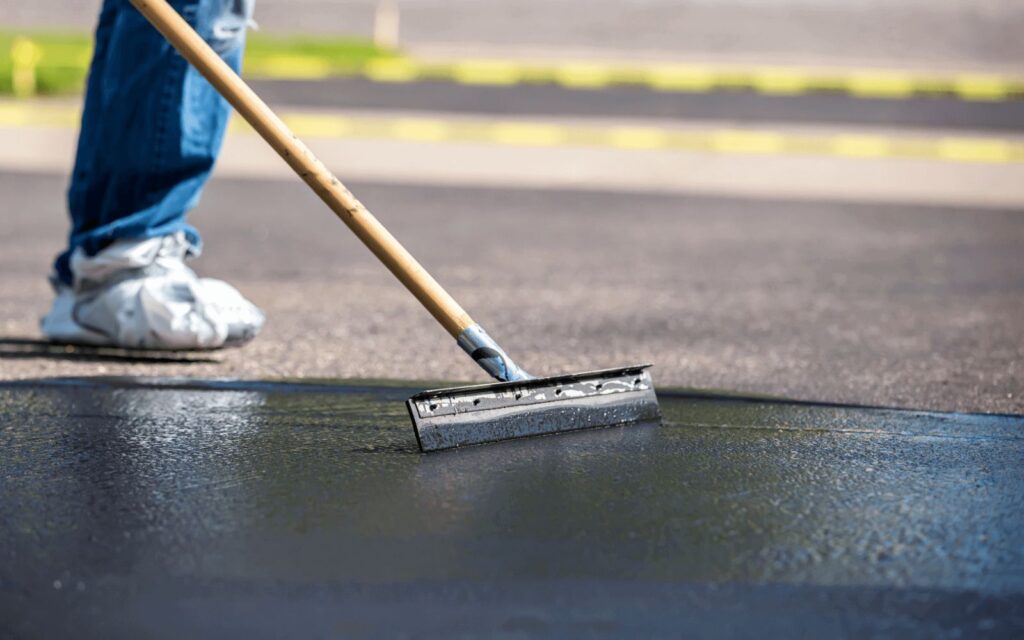

Parking here isn’t only about convenience for homeowners across Springfield—that stretch of blacktop ties directly into how much the home seems to offer on arrival. When winter grips with its back-and-forth freezing then thawing, followed by sticky heat waves months later, that same surface takes constant hits. It is tough stuff, sure, but nowhere near unbreakable under such strain year after year. Spotting small cracks or fading texture while they’re still slight means sidestepping heavy bills down the road tied to full replacement work. Fix little flaws before they grow; the look and stability of your place depend on those choices.
Local Climate Effects Explained
Frost creeps in when water slips through narrow splits in the blacktop. That liquid swells once frozen, forcing the material apart like wedges. Melted ice pulls back, hollowing out spaces underneath. Repeated shifts chip away at stability. Tiny openings grow longer each season. Cracks dive deeper without warning. Summer heat bakes the pavement hard, breaking down the sticky stuff inside that keeps everything locked tight. Spotting early signs means you might beat the damage before it spreads too far.
1. Hairline Cracks
Water finds its way in through tiny splits first. Cracks like these look delicate, almost invisible at a glance. Yet slowly, they let moisture slip beneath the surface over time. When ignored, those narrow lines grow wider—each freeze pushing harder than before. When cracks show up in Springfield’s weather, it helps to grab a strong sealant right away. Spotting them fast keeps small splits from turning into serious gaps needing expert repair.
2. Alligator Cracking
Cracks linking together into a web might mean trouble ahead. That rough texture? People call it alligator cracking, sometimes just fatigue damage. It usually shows up if the ground beneath gives way or old pavement stiffens from weathering. Once those splits spread like that, the strength of the whole layer starts slipping away. When one crack shows up, patching works fine. But if the surface looks like reptile skin, the ground underneath has likely weakened. Left alone, pieces start chipping off until deep holes form—harder to fix, more expensive to handle.
3. Potholes
Potholes stand out as the clearest signal that a driveway is failing. When water slips below the surface, it softens the ground under the asphalt, making the layer above give way. A hole like this traps more moisture, which eats away at nearby material, causing it to grow fast. In Springfield, these gaps go beyond annoyance—they risk harming a car’s steering setup and shock systems. Fixing them right means removing the broken part, pressing down the foundation again, then filling it with fresh asphalt so it sits even and lasts.
4. Raveling and Surface Crumbling
Most times, the outer part of asphalt cracks apart slowly. That leads to a bumpy texture, full of tiny holes. Little rocks start showing up where they shouldn’t—like near your garage door. Oxidation eats at the glue holding everything down. Once that bond weakens, bits scatter easily. The result? A surface falling out of sync with itself. Most times, when sweeping reveals bare spots or loose stones, the top layer has started breaking down. Early on, a proper sealcoat adds new binding agents right where needed. That repair step slows further wear by shielding what’s left underneath.
5. Drainage Issues and Pooling Water
Puddles hanging around long after rain? That’s a sign something might be off with how your driveway slopes. Water ought to roll away from the house, heading downhill toward the road. When it does not move, trouble follows. The ground underneath can weaken as moisture seeps in. Cracks tend to appear sooner than they should. Living things like moss take hold where dampness stays too long. Flat spots let nature start breaking down what was meant to last. Puddles forming in certain areas signal a need for expert review of water flow. Reshaping the surface might be necessary; adding fresh asphalt can restore proper slope.
6. Sinking or Depressions
Notice dips in the driveway, especially close to the garage or outer sides? That might mean the layer underneath has collapsed. Usually, these sunken zones come from soil that wasn’t packed tightly enough during installation—sometimes water washing beneath weakens it over time. Puddles gather there, which only makes things worse, inviting more damage down the line. When parts sink, just filling cracks does nothing useful. The fix means raising the slab, packing strong material below, then resurfacing so it holds steady long-term.
7. Faded Color
Sunlight slowly fades asphalt’s rich black into pale gray. That shift signals aging—the material grows stiff as oils vanish. When darkness dulls, cracks find their way in easier. A fresh coat every couple of years slows damage before it spreads. Dark tones return, shielding glue-like base layers from wetness and light. Protection comes through consistent renewal, nothing less.

Professional Help Matters
A few small cracks might be something you handle yourself. Yet when it comes to alligator cracking, serious potholes, or problems with water runoff, skilled help becomes necessary. Around here, local experts know how the ground behaves under local weather swings. Properly pressing down the foundation layer takes heavy tools—tools regular people usually do not own.
Putting money into your driveway now pays off later when it comes to how much your house might be worth. A tidy driveway opens the door nicely, stopping small issues from snowballing into expensive fixes down the road. Spotting just one of these seven red flags early keeps things lasting longer, helps looks stay strong, and guards what you’ve built at home. When something seems off, get someone who knows pavement work to check it—ideally before storms roll through again.
Finally, remember that proactive management of your asphalt surface is about far more than just aesthetics; it is about preserving the structural integrity of your entire property entrance. By committing to these regular, minor inspections, you effectively mitigate the risk of catastrophic pavement failure, thereby ensuring the long-term viability, safety, and visual appeal of your home for many seasons to come. Do not underestimate the value of a small intervention today, as it is the most reliable way to avoid extensive, high-cost reconstructions later. Being a responsible homeowner in Springfield means recognizing the unique environmental pressures your surfaces face and responding with consistent, informed care every single year.