
Every now and then, an old driveway tells a story through cracks and wear. In Springfield, Ohio, those blacktops face scorching sun, sticky air, long winters, and sudden thaws. After years pass, signs appear—fissures spread, edges break, and color dulls under stress. The moment these changes come into view, money becomes part of the thought process. A fresh coat from experts might extend the life of your surface, giving it many more seasons of utility. On the flip side, deep damage could mean that starting over is cheaper down the road. Costs today matter less than what comes later; the full picture across ten years shapes better choices. Home value ties closely to these quiet decisions made beneath your feet.
The Cost of Keeping Roads Paved
Imagine asphalt breathing like skin under sun and rain. Its strength comes from sticky bitumen weaving through crushed rock below. Fresh layers bend easily, full of oily resilience against heat and cold shifts. Over time, air steals that softness, drying out vital fluids until cracks begin. Hardened, the material resists movement instead of flowing.
Money talks loudest when repairs start piling up fast. Staying ahead with routine sealing usually beats waiting until everything crumbles. Homeowners do best when they stretch how long their pavement stays functional. Once it breaks down, spending jumps from small fixes to digging out and rebuilding entire sections.

What is Sealcoating?
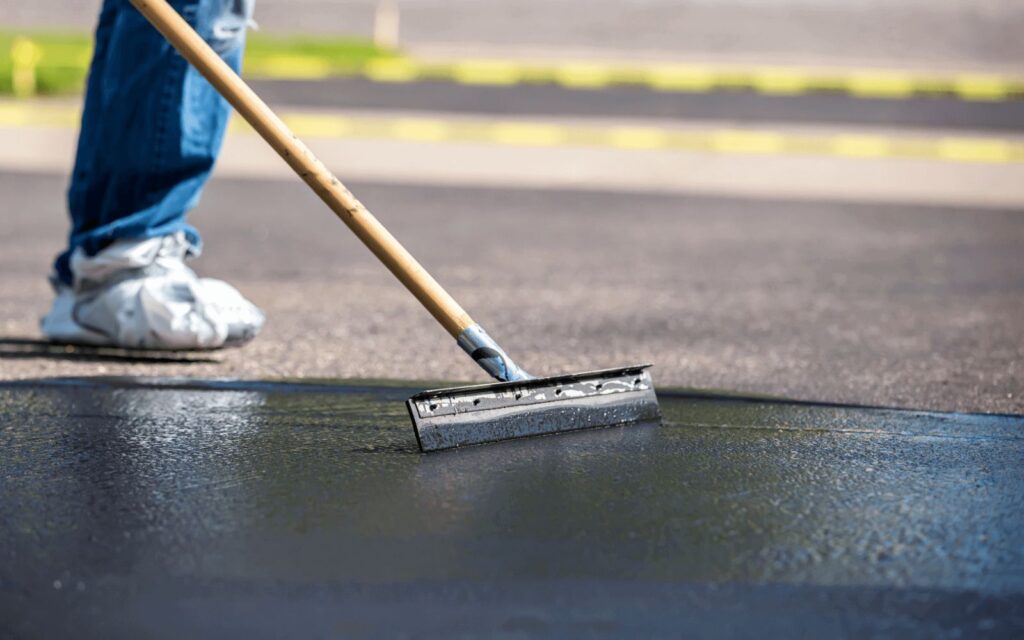
Most folks call it sealcoating, though really, it is just a shield for worn asphalt. Picture sunscreen, but thicker, doing double duty against wetness too. This goopy mix—loaded with sticky tar, stretchy additives, and gritty dust—gets pushed across the pavement by hand or a spray wand. After fixes are done and dirt is gone, that is when the coating goes on.
The Financial Benefits
A protective layer slows down weather wear. Every couple of years, a new application keeps damage at bay—think sun, rain, and chemical spills. This step holds off bigger, intrusive repairs later on.
Stopping oxidation means the asphalt stays dark instead of fading to gray. Blocking sunlight helps the material remain pliable. Without extreme exposure, glue-like parts hold strong. Flexibility lasts much longer when shielded from harsh rays.
Most times, asphalt breaks down because water sneaks in. Tiny holes on the surface let moisture seep through, but sealcoating blocks those paths. When water cannot reach the layer underneath, swelling and splitting slow down. Cracks happen less often when that base stays dry. Additionally, oil or gasoline spills can eat away at asphalt. A quality sealant takes the hit instead, shielding the surface below. Most folks find that sealing blacktop costs significantly less than tearing out old pavement. A small payment upfront shields something that would otherwise be expensive to fix later.
Is Sealcoating Enough?
Most times, sealcoating keeps things looking fresh. When applied early, it guards against wear before problems grow. A driveway with thin cracks still holds up well underneath. Instead of viewing it as a way to fix damage, think of this step as a preventive shield. Surface fading? That is when coating makes the biggest difference. Protection kicks in right after the material dries.
However, even small cracks spread fast when a driveway’s base is weak. Though sealant adds color, it will not hold broken asphalt together. A surface riddled with deep splits or sunken spots often hides deeper damage. Painting over such flaws just delays real repairs. The appearance may improve briefly, yet the foundation keeps failing.
The Reality of Replacing Asphalt
Pulling out old pavement kicks things off. After that comes checking what lies underneath—fixing weak spots matters just as much. A fresh layer goes down only once the base proves solid.
The Cost Factor
Out here, swapping things out hits hard on the wallet. Machines roll in—big ones—alongside crews that dig, haul, and backfill. Materials pile up, adding to the tab. Take Springfield roads: deeper pavement means more layers to rip apart. Water routes underneath can be tricky, making work slower and pricier. Even clearing the zone bumps the total.
What makes this option start making sense?
- Fatigue Damage: When cracks look like lizard skin across a quarter of your driveway, the ground underneath might be giving up. Sealant will not help if what is below cannot hold weight.
- Drainage Dips: Puddles heading toward your house? That dip might be older than it looks. Water creeping where it should not mean the ground has shifted. Fixing just part will not reset how rain runs off. Only starting fresh reshapes the path.
- Pothole Density: When potholes take up most of the surface, fixing them approaches what new paving would charge. Patch jobs stretch thin when the ground gives way too often.
The Long-Term Analysis
Start by comparing yearly costs when thinking about savings across fifteen years.
The Maintenance Path
Most find that sealing every few years keeps costs down. When tiny cracks get fixed early, money adds up slower. Fifteen years pass without a full rebuild, just steady upkeep. A driveway lasts much longer when care stays consistent. Replacement waits further off—sometimes it never comes. What started as minor work stretches value far beyond guesswork.
The Replacement Path
A fresh driveway feels like progress. Skip sealing it, though, and ten or twelve years pass; suddenly you are due for another swap. That upfront cost fades fast when protection gets overlooked. Each crack spreads wider without that essential barrier.
Making the Decision
Most times, it depends on how your driveway feels underfoot. When the base holds firm, without cracks that go too far down, yet the look has dulled, then sealing makes sense. This step guards what you have put into the pavement while keeping things visually sharp.
When cracks spread deep, swapping it out is not excess—it is part of protecting what your home is worth. Broken surfaces filled with holes are not merely unattractive; risk hides there, dragging down how your house presents itself, possibly harming vehicles.
Homeowners in Springfield save money by hiring a pro to check their pavement. Instead of guessing, let an expert tell you what is just surface versus damage underneath. That way, your spending makes sense. When it comes time to start fresh, remember: swapping out old asphalt is not the end; it kicks off something longer-term. Lasting twice as long—twenty years, maybe more—starts with sealing done right and keeping up with it early. Weather matters more than the bill on your table. What counts is how often you check things, using time and tools wisely. Shield what you own, handle storms before they arrive, then watch your surfaces last. A solid path begins with small moves.
